

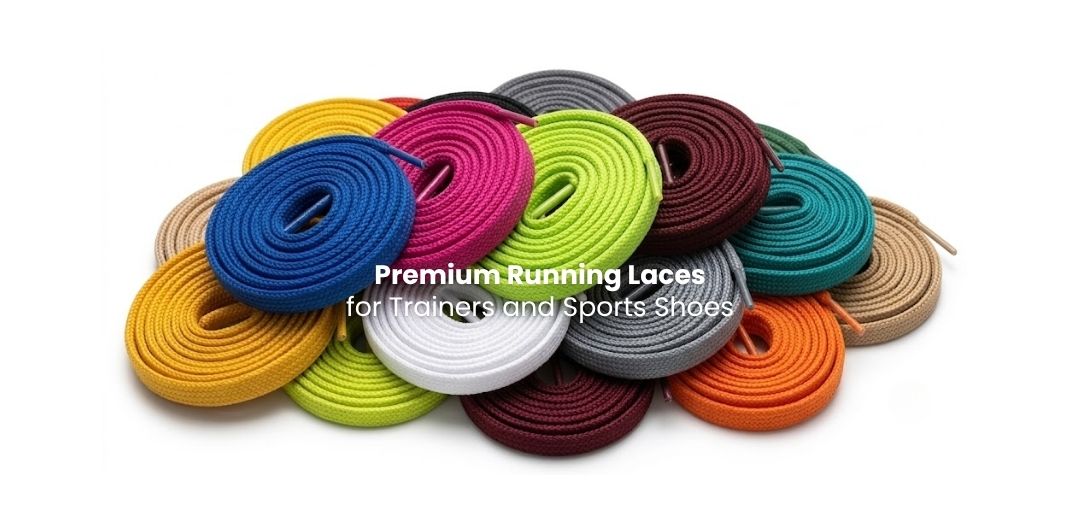
Running Laces
Running Shoelaces for Runners, Trainers and Active Shoes
Running Laces Guide
Running Laces by Pear Shoelace
Shop running laces in Australia for running shoes, trainers, gym shoes and active everyday footwear. Running shoelaces are a simple way to replace worn laces, refresh your shoes, and fine-tune the fit of your footwear for walking, jogging, training, or other sports. At Pear Shoelace, you can choose from different lace shapes, colours and lengths to suit how your shoes look, feel and perform during regular wear.
Why Choose Running Laces
Running laces are designed to help your shoes feel secure, comfortable and ready for movement. The right pair can reduce loose lacing, improve how your shoes fit around the foot, and give old running shoes a cleaner, fresher look. They are useful for everyday runners, gym users, walkers, school sport shoes and anyone who wants replacement laces that suit active footwear.
Buying Guide for Running Laces
When buying running laces, start by checking the shape, length and width of your original laces. Flat and oval laces are common choices for running shoes because they sit neatly across the shoe and can help create a secure hold. Choose a colour that matches the original shoe for a clean replacement, or pick a contrast colour if you want your runners to stand out.
Types of Running Laces
The best type of running lace depends on your shoe style and how you use it. Flat running laces suit many trainers and everyday runners; oval running laces are a popular choice for sports shoes; and elastic or no-tie options suit people who want easier on-and-off wear. Reflective styles can also be useful for low-light walking or running when you want a more visible finish.
Custom Running Laces - Lengths & Aglets
Custom running laces are a good option when standard lengths don't fit your shoes. Choosing the correct length helps avoid laces that are too short to tie properly or too long and messy at the bow. Pear Shoelace offers custom length options and aglet choices, so you can create a pair that suits your shoe size, eyelet count, colour preference and preferred finish.
Running Laces - Size Guide
The easiest way to choose the right running lace length is to measure your existing laces from tip to tip. As a general rule, shoes with fewer eyelet pairs usually need shorter laces, while running shoes with more eyelets, wider spacing, or heel-lock lacing may need longer laces. If you are unsure, choose a length close to your current laces or go slightly longer if you prefer a larger bow or use extra top eyelets.
Caring for Running Laces
To care for running laces, remove them from your shoes before cleaning and wash them gently by hand in mild soapy water. Avoid harsh scrubbing, bleach or high heat, as these can weaken the fibres or damage the aglets. Let the laces air dry fully before re-lacing your shoes, and replace them when they become frayed, stretched, stained or difficult to keep tied.
Frequently Asked Questions - Running Laces
What are running laces?
Running laces are replacement shoelaces for runners, trainers, and everyday active shoes. They help hold the foot securely through movement, whether you are jogging, training, walking or wearing sports shoes casually. The right running laces should suit the shoe’s eyelets, lace shape and fit, so the shoe feels stable without feeling too tight.
What length running laces do I need?
The best running lace length is usually the same length as your current laces. Measure one old lace from tip to tip if you still have it, as this gives the most accurate match. If the original lace is missing, count the eyelet pairs and consider how wide the shoe opens, because wider shoes usually need longer laces.
Are flat or round running laces better?
Flat or round running laces can both work well, depending on the shoe and the fit you prefer. Flat laces sit wider across the tongue and can feel more stable on many running shoes. Round laces pass easily through smaller eyelets and can suit shoes with a more compact lace channel. For the safest match, choose the shape that most closely resembles the original lace.
How tight should running laces be?
Running laces should feel snug through the midfoot without pinching, rubbing or stopping your toes from moving. A secure fit helps reduce unwanted movement inside the shoe, while still allowing natural foot expansion during a run. If the laces feel tight at the top of your foot or your toes feel cramped, loosen and retie them before running.
Can running laces help stop heel slipping?
Running laces can help reduce heel slipping when they are the right length and tied with the right tension. If your shoes have extra top eyelets, a heel-lock style lace setup may help hold the heel more securely. This works best when the shoe already fits well, as laces can improve fit but cannot fully fix the wrong shoe size.
What material is best for running shoelaces?
Polyester is a practical material for running shoelaces because it is durable, easy to care for and suited to active footwear. It holds colour well and works well for shoes worn often for walking, training, or everyday movement. Replace the laces when they start to fray, stretch unevenly or lose their ability to stay tied.
Can I use running laces for walking shoes or gym shoes?
Yes, running laces can be used for walking shoes, gym shoes, trainers and active everyday sneakers. The main thing is to match the lace length, width and shape to the shoe. If the lace is too short, it may be hard to tie securely. If it is too long, it can drag, double-knot awkwardly or look messy.
What colours are best for running laces?
The best running lace colour depends on whether you want a clean match or a stronger contrast. Black, white, grey and navy are easy everyday choices for most runners and trainers. Brighter colours can freshen up older shoes, make pairs easier to identify, and add a more personal look without changing the shoes themselves.
How do I clean running laces?
Clean running laces by removing them from the shoes, washing them gently and letting them air dry. For everyday dirt, soak the laces in mild detergent and warm water, then scrub lightly with a soft brush. Rinse well and dry them fully before relacing. Avoid high heat, as it can damage the lace tips or affect the material.
When should I replace running laces?
You should replace running laces when they are frayed, stretched, hard to tie or damaged at the tips. Worn laces can affect how evenly your shoes tighten, especially across the midfoot. If you run often, check your laces every few months. Replacing them is a simple way to refresh your shoes and improve day-to-day fit.