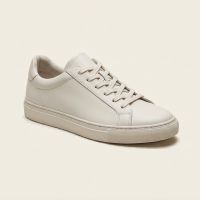
Sneaker Lace Length Guide
Find the right lace length for sneakers, runners and high-tops.
View Guide
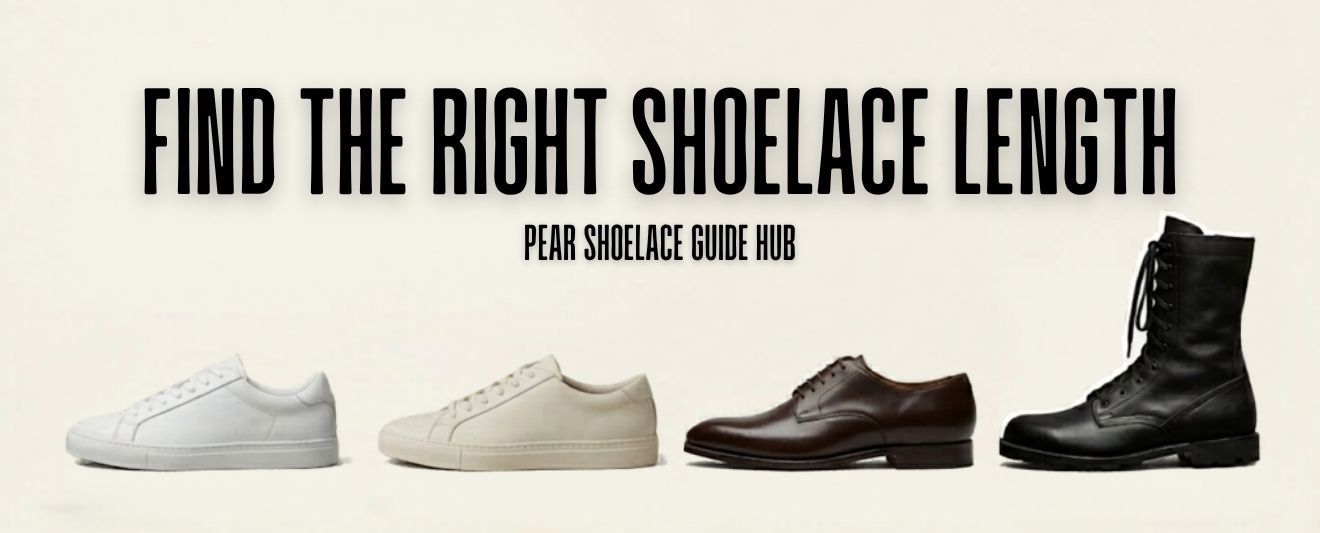
Find the right shoelace length for sneakers, casual shoes, dress shoes and boots. Measure your existing laces for the most accurate result or count the eyelet pairs on one shoe.
Remove one lace, straighten it without stretching and measure it from tip to tip. If it tied comfortably, choose the closest available replacement length.
Count the matching eyelet pairs on one shoe, identify the footwear type and use the most relevant length guide below.
Important: count matching eyelet pairs on one shoe, not every individual hole. Shoe width, eyelet spacing, tongue thickness and lacing method can affect the required length.
The quickest way to find your shoelace length is to count the pairs of eyelets on one shoe and match them to the chart below. As a rule of thumb, a standard 5 – 6 eyelet sneaker takes 100 – 120 cm laces and a 6 – 7 eyelet work boot takes 140 – 160 cm. Boots and high-tops always need longer laces than low-cut shoes with the same number of eyelets, you can either measure your old laces or count your eyelets.
Select the shoe style that best matches your footwear to find the most suitable shoelace length guide.
Find the right lace length for sneakers, runners and high-tops.
View Guide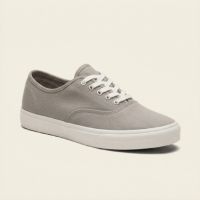
Find the right lace length for casual shoes and everyday wear.
View Guide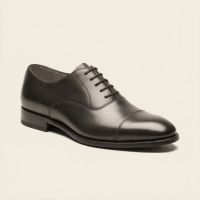
Find the right lace length for dress shoes and formal footwear.
View Guide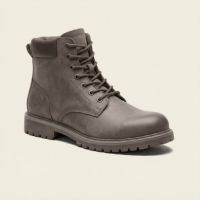
Find the right lace length for boots, hikers and work boots.
View GuideMeasuring an existing lace is the most reliable way to choose a replacement. Follow these four steps before ordering.
Carefully remove one original lace from the shoe without stretching or damaging it.
Straighten the lace on a flat surface without pulling or stretching the material.
Measure the entire lace from the end of one aglet to the end of the other aglet.
Choose the closest available length and adjust it if the old lace was too short or too long.
Helpful tip: add approximately 10 – 20 cm if the original lace was difficult to tie. Choose a shorter length if it created oversized loops or long, dangling ends.
These broad ranges can help you identify a starting point. Use the footwear-specific guide for a more detailed recommendation.
| Footwear Type | Common Features | Common Lace Range |
|---|---|---|
| Dress shoes | Compact upper and closely spaced eyelets | 45 – 120 cm |
| Casual shoes | Low-profile to mid-cut everyday styles | 60 – 160 cm |
| Sneakers | Padded tongues and varied eyelet spacing | 60 – 200 cm |
| Boots | Tall uppers with eyelets, hooks or speed hooks | 75 – 220+ cm |
Please note: these are broad ranges rather than exact recommendations. Shoe size alone does not determine lace length, so check the eyelet count and shoe design before ordering.
Count the pairs of eyelets on one shoe—the left and right holes at the same height count as one pair—then read across. Boots need more length than shoes with the same eyelet count.
| Eyelet Pairs | Shoes & Sneakers | Boots |
|---|---|---|
| 3 – 4 pairs | 60 – 80 cm | 75 – 100 cm |
| 4 – 5 pairs | 80 – 100 cm | 100 – 120 cm |
| 5 – 6 pairs | 100 – 120 cm | 120 – 140 cm |
| 6 – 7 pairs | 120 – 140 cm | 140 – 160 cm |
| 7 – 8 pairs | 140 – 160 cm | 160 – 180 cm |
| 8 – 9 pairs | 160 – 180 cm | 180 – 200 cm |
| 9 – 10 pairs | 180 – 200 cm | 200 – 220 cm |
Between two sizes? Round up—laces that are slightly long can be tucked away or double-knotted neatly, while laces that are too short will not fasten properly. Choose a longer size if you have wide feet, use speed hooks or regularly double-knot your laces.
Two shoes with the same eyelet count may need different lace lengths. Consider these factors when choosing between available sizes.
More eyelet or hook pairs usually require a longer shoelace.
Wide shoes and high insteps increase the distance the lace travels.
Thick or padded tongues may require additional lace length.
Runner’s loops, wide patterns and larger bows use more lace.
Your shoes are wide, heavily padded or high-cut, or have widely spaced eyelets. Extra length also helps with double knots, runner’s loops and larger bows.
Your shoes are slim and low-profile, have closely spaced eyelets or are worn with the top eyelet unused. A shorter lace creates a neater bow with less excess.
Once you know the correct length, choose a lace shape and style that suits your footwear. Pear Shoelace offers flat, round and oval laces in a wide range of lengths, colours and finishes.
Check the length, width, shape and colour before ordering. Measuring an existing lace from tip to tip remains the most reliable way to choose a replacement.
Explore flat laces for sneakers, casual shoes, school shoes and fashion footwear.
Shop Flat Laces →Find round laces for boots, dress shoes, leather shoes and outdoor footwear.
Shop Round Laces →Choose oval laces for running shoes, trainers and sport-inspired footwear.
Shop Oval Laces →Shoelace-length recommendations are a general guide. Footwear design, width, eyelet spacing, lacing method and preferred bow size may affect the required length.
The best way to choose the right shoelace length is to match your shoe’s eyelet count, shoe type and preferred fit. If your old laces are tied neatly, measure them from tip to tip and use that as your starting point. If they were too long or too short, adjust the new length by 10 cm to 20 cm.
Yes, measuring your old shoelaces is the most accurate way to choose a replacement length. Remove one lace, lay it flat without stretching it, and measure from one aglet tip to the other. This works best when the old lace fits well, ties comfortably, and does not leave too much excess.
Eyelet count affects shoelace length: more eyelet pairs usually require a longer lace. Count the matching pairs of holes on one shoe, not the total holes across both sides. A low-cut shoe with fewer eyelets often needs a shorter lace, while sneakers, boots, and high-top shoes usually need a longer lace.
Shoelaces that are too long can look messy, drag near the ground and come undone more easily. Extra length may also make the bow sit too large for the shoe. If your laces feel loose even when tied properly, choose a shorter length or try a different lacing style to reduce excess.
Shoelaces that are too short can be hard to tie and may make your shoes feel too tight across the top of the foot. A short lace can also leave a tiny bow that comes undone during wear. If you struggle to tie a normal bow, move up to the next available length.
Flat, round and oval shoelaces can use the same length, but the fit may feel slightly different depending on the shoe. Flat laces often sit wider and look neater on casual shoes and sneakers. Round laces can feel more compact through small eyelets, while oval laces are often chosen for sporty shoes.
Yes, boots usually need longer shoelaces than low-cut shoes because they often have more eyelets, hooks or a taller upper. The right length should let you lace securely without forcing the bow too high or leaving long loose ends. For hiking, work or fashion boots, allow extra length if you prefer a firm wrap or higher lacing.
The right length for kids school shoes should be easy to tie, neat, and not too long to drag. School shoes often suit shorter to medium lace lengths, depending on the number of eyelets. If the child is still learning to tie laces, avoid very long laces because they can create bulky bows and trip hazards.
Shoelace material can affect how the lace feels, but it usually does not change the length you need by much. Cotton, waxed, polyester and elastic laces can sit differently once tied. If the shoe has tight eyelets or a narrow tongue, choose the correct length first, then select the material that best suits comfort, grip and style.
You usually do not need to change shoelace length just because you are changing colours. The length should still match the shoe’s eyelets and fit, while the colour should match the look you want. For a clean style, choose a length that ties neatly so the new colour looks balanced rather than oversized.
Find the right shoelace length first, then choose the lace style that suits your shoes best. Pear Shoelace makes it easy to shop by footwear type, lace type and finish, so you can get the right replacement laces for every pair.