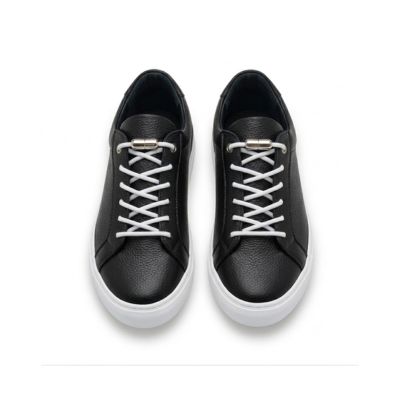
Capsule Lock
No Tie Shoelaces
Secure capsule lock for
quick everyday wear

Compare Pear no-tie shoelaces by lock type and choose the fastening system that best suits your shoes. Explore capsule, anchor, smart, tip, magnetic, loop and press-lock systems for sneakers, school shoes and everyday footwear. You can also discover alternative no-tie styles including silicone, curly and knotted shoelaces.
Explore Locking No Tie Systems
Secure capsule lock for
quick everyday wear
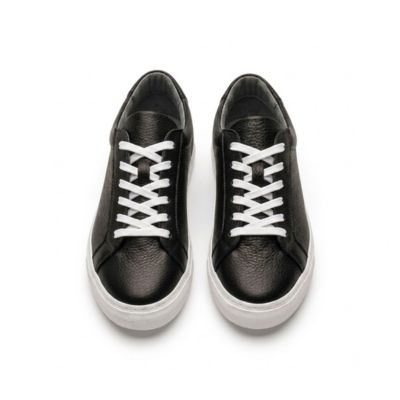
Firm anchor hold with
easy slip-on comfort
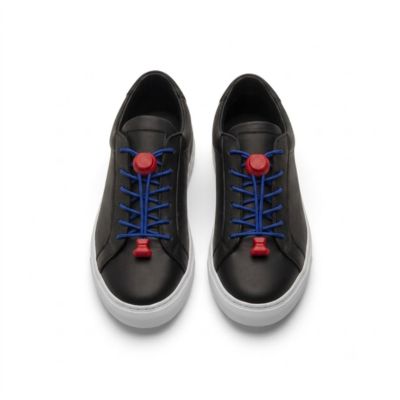
Simple lock design for
a neat secure fit
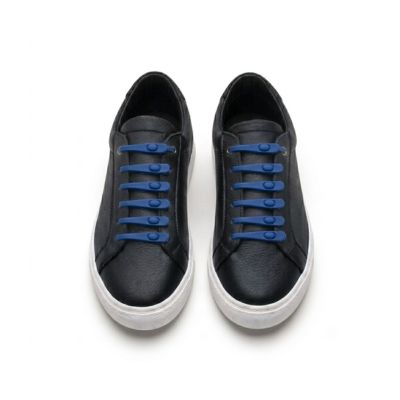
Flexible silicone lock for
a clean finish
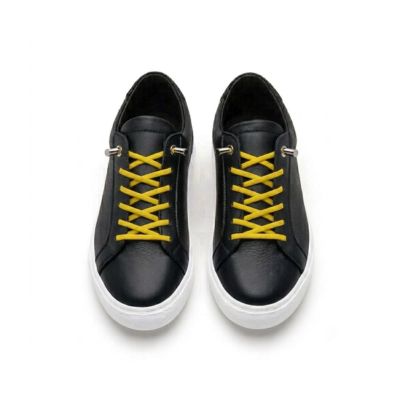
Minimal lock style with
a secure everyday hold
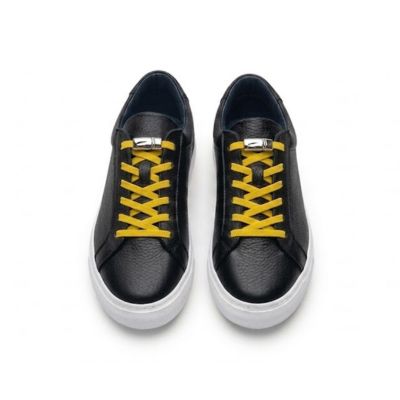
Fast magnetic closure
for easy wear
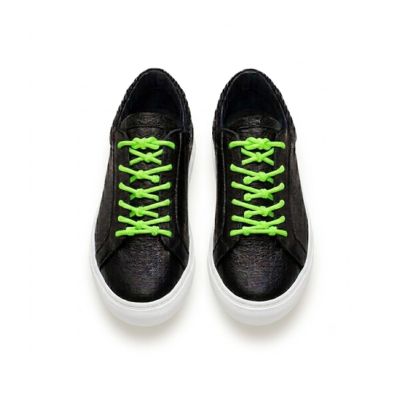
Simple knot-style laces
for casual comfort
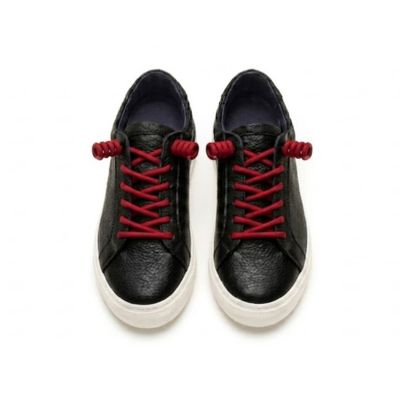
Stretch spiral laces for
easy slip-on use
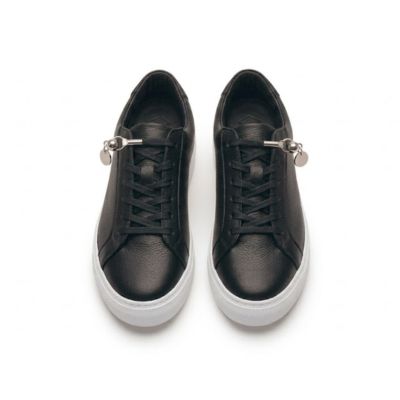
Flexible loop lock system
for daily wear
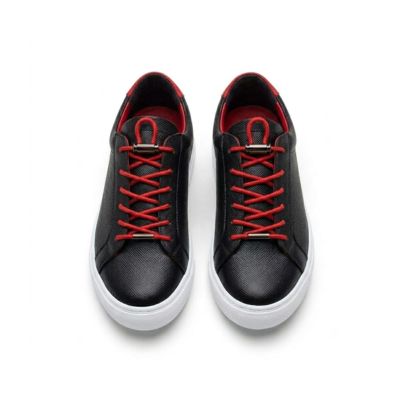
Easy press-lock closure for
fast on and off
Compare the main Pear no-tie shoelace locking systems to find the best option for your footwear. Consider the adjustment method, fastening system and finished appearance you prefer.
| Lock Type | Best For | How It Works | Adjustment Style |
|---|---|---|---|
| Capsule Lock | Sneakers, school shoes and everyday footwear | A capsule-style fitting secures the elastic lace ends at your selected tension. | Adjustable before securing |
| Anchor Lock | Shoes where a clean, low-profile finish is preferred | Small anchors secure the elastic lace close to the final eyelets. | Set during installation |
| Smart Lock | Everyday sneakers, walking shoes and active footwear | An adjustable lock holds both elastic lace ends securely at your chosen tension. | Easily adjustable |
| Tip Lock | Shoes where a simple, compact lace-end finish is preferred | Compact fittings secure the elastic lace ends without requiring a traditional bow. | Set during installation |
| Magnetic Lock | Everyday footwear where fast opening and closing is useful | A magnetic closure connects the two lace ends after the preferred tension has been set. | Tension set before closing |
| Loop Lock | Casual shoes and everyday slip-on footwear | A loop-style fastening secures the elastic lace without the need to tie a bow. | Set during fitting |
| Press Lock | Everyday footwear where quick adjustment is useful | A press-style mechanism secures the lace and can be released when the tension needs adjustment. | Easily adjustable |
Most elastic no-tie shoelace systems can be installed in three simple steps.
Thread the elastic laces through the shoe eyelets, keeping both ends even and the laces untwisted.
Put the shoes on and adjust the lace tension until the fit feels comfortable, secure and even.
Secure the locking system, test the fit while walking, and trim any excess lace only if required.
Not every no-tie shoelace uses a separate locking mechanism. Explore silicone, curly and knotted styles that use flexible materials, spiral shapes or simple knot-style ends to create an easy no-tie fit.
Flexible silicone bands fit individually across the eyelets for a clean, minimal finish without a traditional bow.
Shop Silicone No-Tie LacesStretchy spiral laces hold themselves in place without clips, locks or the need to tie a traditional bow.
Shop Curly No-Tie LacesElastic laces use a simple knot-style finish to provide comfortable, easy slip-on everyday wear.
Shop Knotted No-Tie LacesLearn more about the different types of no-tie shoelaces, how they work and how to choose the right style for your shoes.
No-tie shoelaces are available in several styles. Pear offers lock-based systems including Capsule Lock , Anchor Lock , Smart Lock , Magnetic Lock, Tip Lock, Loop Lock and Press Lock.
Other no-tie styles include silicone bands, curly laces and knotted elastic shoelaces that do not require a separate locking mechanism.
Elastic no-tie shoelaces use stretch to allow the shoe to open when your foot goes in and then return to a comfortable fit. Lock-style no-tie shoelaces combine elastic laces with a fastening system that helps hold the selected tension in place.
Styles such as silicone, curly and knotted laces can provide a no-tie fit without using a separate lock.
For many school shoes, Capsule Lock and Anchor Lock systems are practical options because they remove the need to tie a traditional bow and allow the shoes to be put on more easily.
The best choice depends on the shoe, eyelet layout and how much adjustability is required.
Yes. Magnetic Lock no-tie shoelaces are designed for convenient everyday footwear where quick opening and closing is useful.
Set the elastic lace tension correctly before closing the magnetic fitting and check the fit while walking.
Silicone no-tie shoelaces are useful when you want a clean, minimal appearance without a traditional bow or separate lock.
Individual flexible silicone bands fit across the shoe eyelets, making them a simple alternative for suitable sneakers and casual shoes.
No. Curly no-tie shoelaces use their stretchy spiral shape to help hold the laces in place without a separate capsule, clip or locking mechanism.
They are a casual no-tie option for people who want easy slip-on footwear with a distinctive lace style.
Start by considering your shoe type, original lace shape, eyelet layout and how much adjustment you want.
Choose a Capsule Lock or Smart Lock when easy adjustment is important, or an Anchor Lock when you prefer a cleaner, low-profile finish.
If you do not want a separate locking mechanism, consider silicone, curly or knotted no-tie shoelaces.
Need help fitting your new laces?
View No-Tie Shoelace Installation Guides