


Traditional Shoe Lacing for Sneakers, Boots and Everyday Shoes
A Simple Guide to Traditional Shoe Lacing
Helpful Guide to Classic Shoe Lacing
Traditional Shoelaces by Pear Shoelace
Traditional shoelaces are the classic way to fasten sneakers, school shoes, dress shoes, boots and everyday footwear. They are threaded through eyelets to create a secure, adjustable fit that can be tightened or loosened to suit your foot shape. Pear Shoelace offers replacement laces in different lengths, colours, widths and finishes, making it easy to refresh your shoes while keeping the familiar lace-up style.
Why Choose Traditional Shoelaces?
Traditional shoelaces are popular because they give you control over fit, tension and support. You can tighten the laces for a firmer hold, loosen them for extra comfort, or adjust the fit of different sections of the shoe as your feet feel throughout the day. They are a reliable choice for people who prefer the look, feel and function of classic lace-up shoes.
How to Choose Traditional Shoelaces
Choose traditional shoelaces that match the shape, length, width, and colour of your shoes. Flat laces suit many sneakers and casual shoes, round laces are common for dress shoes and boots, and oval laces are often used for sports and athletic footwear. For the best fit, check the number of eyelet pairs on your shoes and compare with your old laces, if you still have them.
Types of Traditional Shoe Lacing Styles
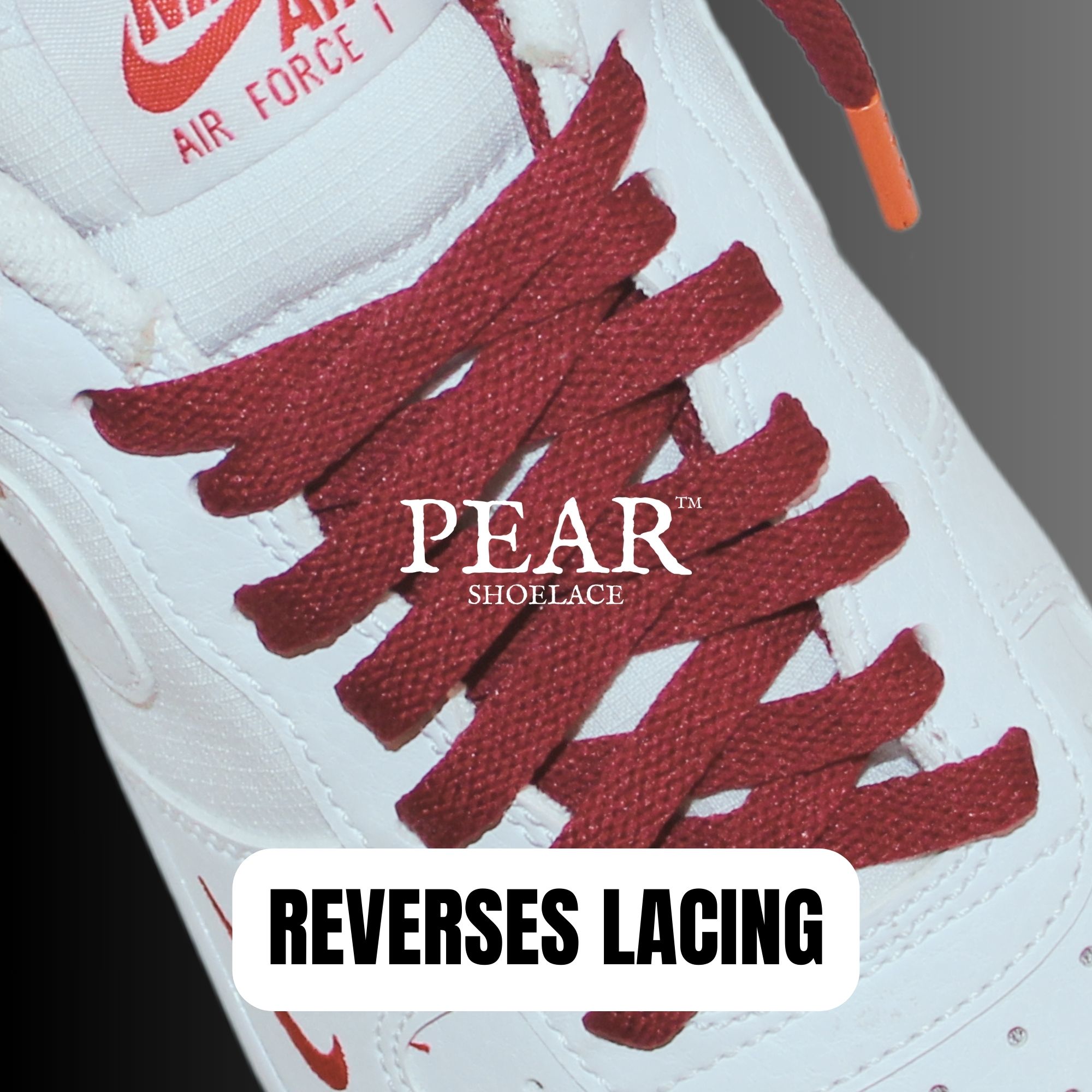
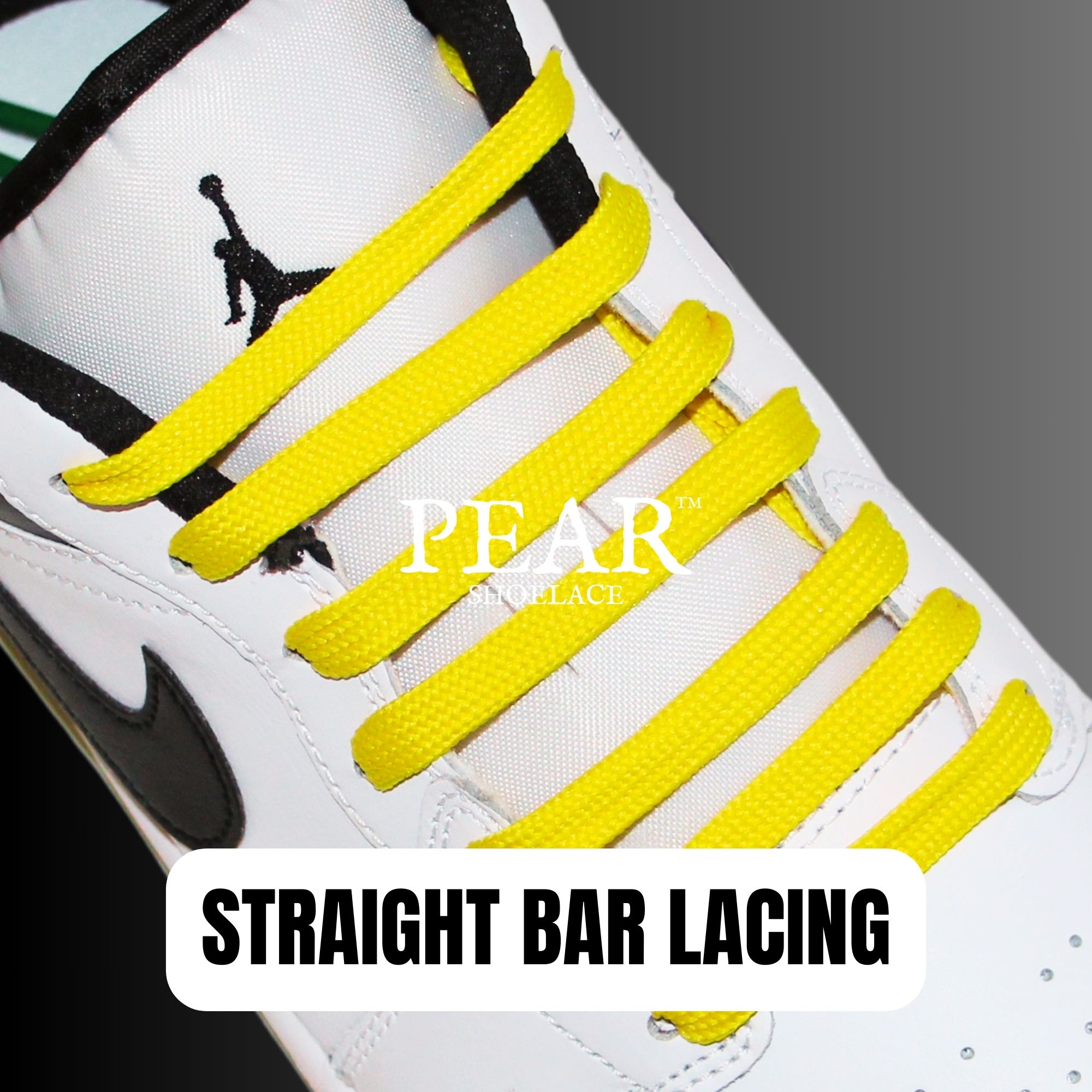
Traditional shoe lacing can include criss-cross, straight-bar, over-under, and other lace-up patterns, depending on the shoe style. Criss-cross lacing is one of the most common options for everyday shoes, while straight bar lacing gives dress shoes a cleaner, more formal look. Different lacing styles can also help improve comfort, reduce pressure points or create a neater finish.
Traditional Shoelace Size Guide
The right shoelace size depends on the number of eyelet pairs, the distance between the eyelets and how much lace you want left for tying. Shoes with fewer eyelet pairs usually need shorter laces, while high-top sneakers, boots and wider shoes often need longer laces. If you are unsure, measure your current laces from tip to tip and choose the closest available length.
Frequently Asked Questions - Traditional Shoe Lacing
What is traditional shoe lacing?
Traditional shoe lacing is the standard way of threading shoelaces through eyelets and tying them in a bow. It usually uses a criss-cross pattern that works across sneakers, school shoes, boots, casual shoes and dress shoes. This method gives you adjustable tension, a familiar look and a secure fit for everyday wear.
What shoelaces work best for traditional shoe lacing?
Flat, round and oval shoelaces can all work well for traditional shoe lacing. Flat laces suit sneakers and casual shoes, round laces often suit dress shoes and boots, and oval laces are common in sport and school footwear. The best option depends on the shoe style, eyelet size and how firm you want the lace to feel when tied.
How do I choose the right lace length for traditional shoe lacing?
Choose the lace length by checking the number of eyelet pairs on your shoes and the width between the sides. Shoes with more eyelets, wider spacing or a taller upper usually need longer laces. If you are replacing old laces, measuring one lace from tip to tip is often the easiest way to match the original fit.
Can traditional shoe lacing improve shoe fit?
Yes, traditional shoe lacing can improve shoe fit by letting you adjust tension across different parts of the foot. You can tighten the midfoot for support, loosen the forefoot for comfort, or leave more room over the tongue. A balanced lace tension helps reduce slipping, pressure spots and uneven tightness.
Is traditional shoe lacing suitable for school shoes?
Yes, traditional shoe lacing is suitable for many school shoes because it gives a neat, adjustable and secure finish. It works especially well when the laces are the right length, and the bow does not drag on the ground. For younger children, shorter laces can help reduce loose loops and make tying easier.
What colour shoelaces should I choose for traditional shoe lacing?
Choose a shoelace colour that either matches the shoe or creates the look you want. Black, white, brown, navy and grey are popular for a clean everyday finish, while brighter colours can refresh sneakers or make school and sports shoes easier to identify. For a classic look, match the lace colour to the shoe upper or sole detail.
How tight should traditional shoe lacing be?
Traditional shoe lacing should feel secure without creating pressure across the top of the foot. The shoe should hold your foot in place, but your toes should still move comfortably. If the tongue bunches, the eyelets pull too close together, or your foot feels squeezed, the laces may be too tight or too short.
Can I use traditional shoe lacing for boots?
Yes, traditional shoe lacing works well for many boots, especially casual, work-style, and hiking-inspired footwear. Boots often need longer, stronger laces because they have more eyelets, hooks, or taller uppers. Round or durable flat laces are usually a good choice when you want a firm tie and reliable hold.
How do I stop traditionally tied shoelaces from coming undone?
You can stop traditionally tied shoelaces from coming undone by tying them firmly and keeping the bow balanced. Make sure both loops sit evenly and that the knot lies across the shoe rather than twisting along it. If the laces are slippery, too long, or too short, changing the lace type or length can also help.
How do I care for shoelaces used in traditional shoe lacing?
Care for traditional shoelaces by removing them from the shoes before cleaning. Wash most fabric laces gently with mild soap and water, then let them air dry fully before relacing. Avoid harsh scrubbing on printed, waxed, glitter, satin or specialty laces, as rough cleaning can affect the finish and shorten their lifespan.