

Sports Laces
Sports Shoelaces for Runners and Active Shoes
Sports Laces Buying Guide
Sports Laces by Pear Shoelace
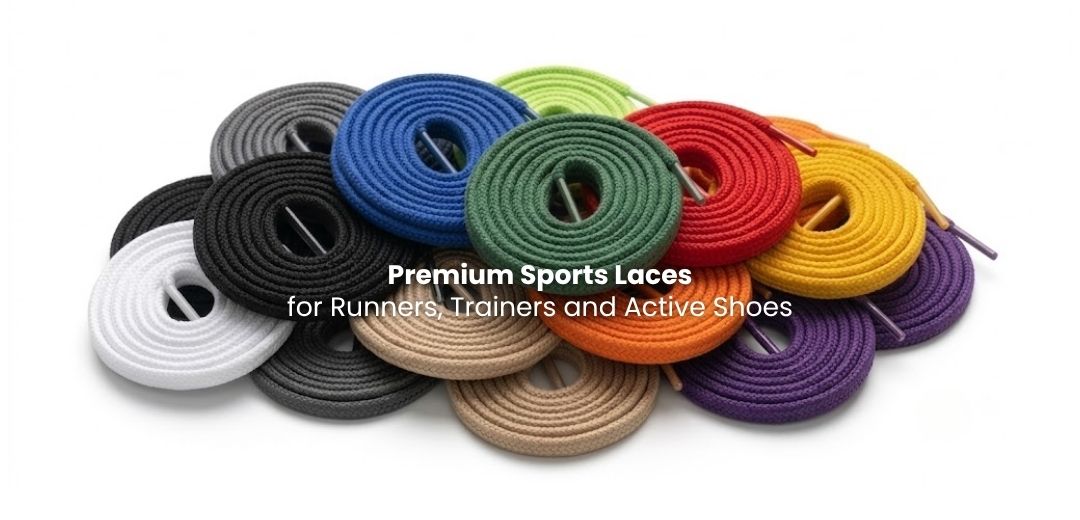
Shop sports laces in Australia for runners, trainers, gym shoes, school sports shoes and active everyday footwear. Pear Shoelace offers practical replacement laces in flat, round and oval styles, with colours and lengths to suit different shoes and fit preferences. Choose a clean match to refresh your footwear, or switch to a brighter colour for a more personal athletic look.
Why Choose Sports Laces
Sports laces are made for shoes that move, flex and get used often. The right pair helps keep your foot secure inside the shoe, reduces loose-lace distractions and gives worn sneakers a cleaner, more reliable finish. A good replacement lace should feel comfortable across the top of the foot, tie securely and suit the shape of your shoe eyelets.
Buying Guide for Sports Laces
Start by matching the lace shape to the shoe: flat laces suit many trainers and sneakers, oval laces are popular for running and sports shoes, and round laces work well in shoes with smaller or reinforced eyelets. Then choose the length based on eyelet pairs, lace thickness, and whether you prefer a short, neat bow or a longer bow. For the safest match, measure your current laces or compare them with the size guide before ordering.
Types of Sports Laces
Sports laces are available in different shapes and finishes to suit how the shoe is worn. Flat sports laces give a broad, clean look and sit neatly across sneaker tongues, oval sports laces offer an athletic profile for runners and trainers, and round sports laces suit shoes that need a slimmer lace through the eyelets. Colour choice can be simple and tonal, or bold enough to refresh the whole shoe.
Custom Sports Laces - Lengths & Aglets
Custom sports laces help you get a cleaner fit when standard replacement laces are too short, too long or not quite the right finish. Pear Shoelace offers custom length options so you can better match your shoe style, eyelet count and preferred bow length. Aglet options, including standard and premium finishes where available, give the lace end a cleaner look and make threading through the eyelets easier.
Sports Laces - Size Guide
Choose your sports lace size by counting the eyelet pairs on one shoe and checking how the shoe laces up in real use. More eyelets, wider spacing, thicker tongues or heel-lock lacing may need extra length, while low-profile shoes often look neater with shorter laces. If you are unsure, measuring the laces already in your shoes is the most reliable guide.
Caring for Sports Laces
Remove sports laces before cleaning your shoes so dirt does not stay trapped around the eyelets. Hand wash the laces in mild, soapy water, rinse well, and air dry flat, away from direct heat. Avoid harsh bleach and machine drying, as these can weaken fibres, fade colours or damage the aglets.
Frequently Asked Questions - Sports Laces
What are sports laces used for?
Sports laces are used for runners, trainers, gym shoes, school sports shoes and active everyday footwear. They are made to help keep shoes secure during movement while still looking clean and practical. They are a good choice when your original laces are worn, dirty, too short, or no longer holding tension properly.
How do I choose the right length for sports laces?
The easiest way to choose the right sports lace length is to measure the laces already in your shoes. Remove one lace, measure it from tip to tip, and choose the closest matching length. If your old laces were too long or too short, adjust slightly based on how much extra lace you want after tying.
Are sports laces good for running shoes?
Yes, sports laces are a practical choice for running shoes when you want a secure and comfortable fit. They help keep the shoe firm across the foot without looking bulky. For best results, choose a length that suits the number of eyelet pairs and leaves enough lace to tie a reliable knot.
What material are sports laces usually made from?
Sports laces are commonly made from durable synthetic fibres such as polyester. This type of material is popular for active shoes because it is lightweight, flexible and easy to maintain. It also holds colour well, making it suitable for everyday training shoes, casual sneakers and school sports footwear.
What colours are best for sports laces?
The best colour for sports laces depends on whether you want a clean match or a stronger contrast. Black, white, grey and navy are easy everyday choices for most athletic shoes. Brighter colours can refresh older sneakers, match team colours, or give plain trainers a more personal look.
Can sports laces help my shoes fit better?
Yes, sports laces can help your shoes fit better when the length, shape and tension are right. A good lace lets you tighten the shoe evenly across the foot without bunching or slipping. If your shoes feel loose, replacing stretched or worn laces can often make them feel more secure.
Are sports laces suitable for school shoes?
Yes, sports laces are suitable for school sports shoes, trainers and active school footwear. They are a practical option for kids who need replacement laces for PE, playground use, or everyday walking. Choose simple colours such as black, white or navy if the school has a stricter uniform style.
How do I clean sports laces?
Sports laces can usually be cleaned by removing them from the shoes and washing them gently by hand. Use mild soap and warm water, then rinse well and let them air dry flat. Avoid harsh bleach or high heat, as these can weaken the fibres or affect the colour over time.
Should sports laces be tight or slightly loose?
Sports laces should feel secure but not painfully tight. The shoe should hold your foot in place while still allowing comfortable movement through the toes and ankle. If you feel pressure across the top of your foot, loosen the laces slightly or relace them so the tension is more even.
Do sports laces come in different shapes?
Yes, sports laces can come in different shapes, including flat, oval and round styles. Flat laces give a clean, athletic look; oval laces are common in many trainers; and round laces can suit some sports and outdoor shoes. The best option depends on the shoe eyelets, style and fit you prefer.