

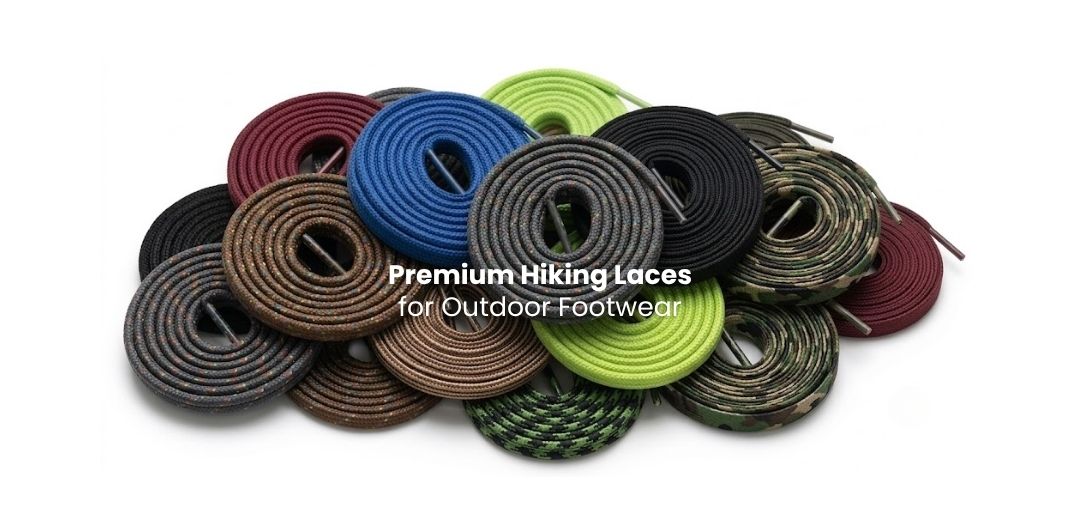
Hiking Laces
Hiking Laces for Trail Shoes and Outdoor Footwear
Hiking Laces Guide
Hiking Laces by Pear Shoelace
Shop hiking laces in Australia for hiking boots, trail shoes, walking shoes and outdoor footwear. Hiking laces are made for shoes that need a stronger, more secure fit across changing ground, from local bushwalks to weekend trails. At Pear Shoelace, you can choose replacement hiking laces in different lengths, colours and finishes to help refresh worn laces or customise the look of your boots.
Why Choose Hiking Laces
Hiking laces are a practical choice when your boots need a firm hold, better lace tension and a more durable finish than standard casual laces. The right pair can help keep your footwear secure while walking, climbing, descending or carrying a pack. They are also useful for replacing frayed, stretched or broken boot laces before they become a problem on the trail.
Buying Guide for Hiking Laces
When buying hiking laces, start by checking the length, shape and thickness of the laces already in your boots or trail shoes. Hiking boots with extra eyelets, metal hooks or high ankle support usually need longer laces than low-cut walking shoes. If you use special lacing methods for heel hold, pressure relief or extra ankle support, choose a length that gives enough room to tie securely without leaving oversized loops.
Types of Hiking Laces
Common hiking lace styles include round laces, paracord-style laces, waxed laces, flat laces and reflective laces. Round and paracord-style laces suit many boots because they work well with hooks and rugged outdoor footwear, while flat laces can suit trail shoes and lighter walking shoes. Reflective options are helpful for low-light use, and waxed finishes can give boots a cleaner, firmer feel when a neater lace profile is needed.
Custom Hiking Laces - Lengths & Aglets
Custom hiking laces let you choose a length that better matches your boots, whether you need a short replacement for trail shoes or a longer lace for high-cut hiking boots. Pear Shoelace offers different aglet options, including standard plastic aglets and premium metal-style finishes for a more polished look. Choosing the right aglet can help improve the finish of the lace and make threading through eyelets or hooks easier.
Hiking Laces - Size Guide
The best way to choose hiking lace length is to remove one old lace and measure it from tip to tip. If the original lace length worked well, use that as your replacement size. As a general guide, low-cut trail shoes usually need shorter laces, mid-cut hiking boots need medium to long laces, and high-cut boots or boots with many hooks may need longer laces for a secure tie.
Caring for Hiking Laces
To care for hiking laces, remove loose dirt after each walk and let them dry properly before storing your boots. If the laces become muddy, clean them gently with mild soap and water, then air dry them away from direct heat. Replace hiking laces when they become badly frayed, stretched, stiff or difficult to tie securely.
Frequently Asked Questions - Hiking Laces
What are hiking laces?
Hiking laces are strong replacement shoelaces designed for hiking shoes, walking shoes and outdoor boots. They help keep footwear secure on uneven ground, for longer walks, and for everyday outdoor use. A good hiking lace should feel firm when tied, feed smoothly through eyelets or hooks, and suit the shape and length of your original laces.
What length hiking laces do I need?
The best hiking lace length is usually the same length as the laces already in your shoes or boots. If the old laces are missing, count the eyelet pairs and check how much extra lace you prefer for tying. Hiking boots with hooks, higher ankles or wider spacing often need longer laces than low-cut walking shoes.
Are round laces better for hiking boots?
Round laces are often a good choice for hiking boots because they move smoothly through hooks and eyelets. Their shape suits many outdoor boots, especially styles with metal speed hooks or deeper lace channels. For the best fit, match the new lace shape to the original lace shape where possible.
What materials are best for hiking laces?
Durable synthetic materials are a practical choice for hiking laces because they handle regular movement, tension and outdoor wear. Polyester is commonly used because it is strong, low-maintenance, and less likely to absorb water. A woven outer texture also helps the lace grip better when tied.
Can hiking laces help my boots fit better?
Hiking laces can help your boots feel more secure when they are the right length, shape and tension. They allow you to adjust pressure across the foot, ankle and upper boot area. If your heel lifts, your foot slides, or your boots feel uneven, replacing worn laces can improve how well the boots hold.
When should I replace my hiking laces?
You should replace hiking laces when they become frayed, flattened, stretched, split or hard to tie securely. Worn laces can loosen during a walk, making your boots feel less stable. Check the lace ends as well, because damaged tips can make it harder to thread the lace through hooks and eyelets.
Are hiking laces suitable for bushwalking and walking shoes?
Hiking laces are suitable for bushwalking boots, walking shoes, trail shoes and many outdoor-style shoes. They are a practical option when you need a stronger lace than a standard casual shoelace. Choose the length and shape based on the footwear, not just the activity, so the lace sits and ties correctly.
What colours are best for hiking laces?
The best hiking lace colour depends on whether you want a clean match or a more visible outdoor look. Black, brown, grey and tan are practical choices for hiking boots because they blend with most rugged footwear. Brighter colours can make your boots easier to spot and add contrast to darker shoes.
How do I clean hiking laces?
Clean hiking laces by removing them from the shoes and washing them off with mild, soapy water. Let them air dry fully before threading them back through your boots or walking shoes. Avoid harsh heat, as high heat can affect the lace fibres and damage the lace tips.
Can I use custom aglets on hiking laces?
Custom aglets can be used on hiking laces to achieve a cleaner, stronger, or more personalised lace finish. Metal aglets can give the lace ends a premium look and may be easier to feed through some eyelets. For hiking footwear, choose an aglet style that suits the boot hardware and does not catch when tightening.